Thanks to all of you for the valuable information and compliments.
Malamute, I understand exactly what you're saying now. I think the movement I saw in the center might be the threaded part of the firing pin extension moving ever so slightly in the bolt face, and it is just a rim fire type. I had also looked at the schematic you posted, but really couldn't figure out the "dual firing pin thing". As hawkeye2 says, they never had one!
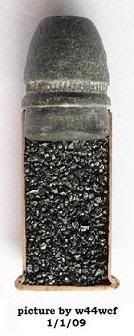
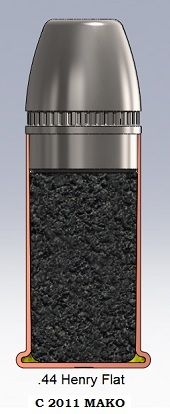
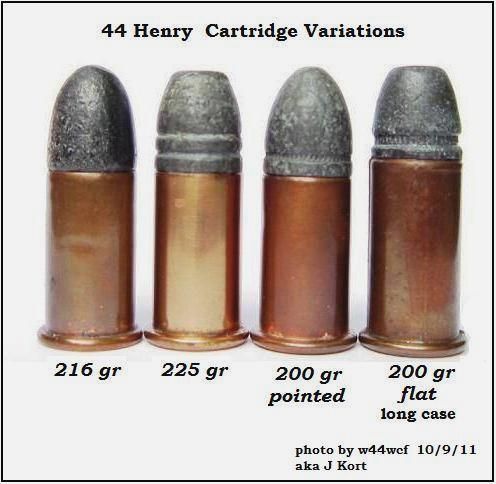
w30wcf, I kinda thought maybe those were inside like a .22, although is the first I've heard the term "heeled bullets". Thanks for the pic of them! And yea, I had an original and put it up, but WHERE??
Hawkeye2, Thanks for the clarification on the centerfire version. I looked in the definitive work by Bill West, 'Winchester Complete" that covers all the variations of Winchesters between 1866 and 1976 and he does mention them, "some carbines over 168000 were Henry C.F., but that's all that's said. Mine is 169xxx. so I thought maybe.......
And you are correct, this gun is really nice, IMHO, so no, I'm not going to alter it just to shoot it. I haven't even taken it apart for a thorough cleaning for fear of slipping off a screw and putting a nice scratch in the receiver.

Leave it to me to put a ding in it after 140 years!

I think I'll just enjoy it as it is.......
I bought this gun back in the early 80's when I was still raising a family and money wasn't too plentiful, but the price was very reasonable for a 66, so I just bit the bullet, so to speak, and bought it. I'm glad I did, because there's no way I could have ever afforded one otherwise since.

 I wanted to measure it to see if I could find a center fire cartridge that could be made to shoot in it. Have any of you had any experience with doing that? I looked in Cartridges of the World and it shows both, but no measurements. Barnes says the .44-40 bullet will work in it, but the case I tried in it won't chamber past the bullet. Neither will .44 special.



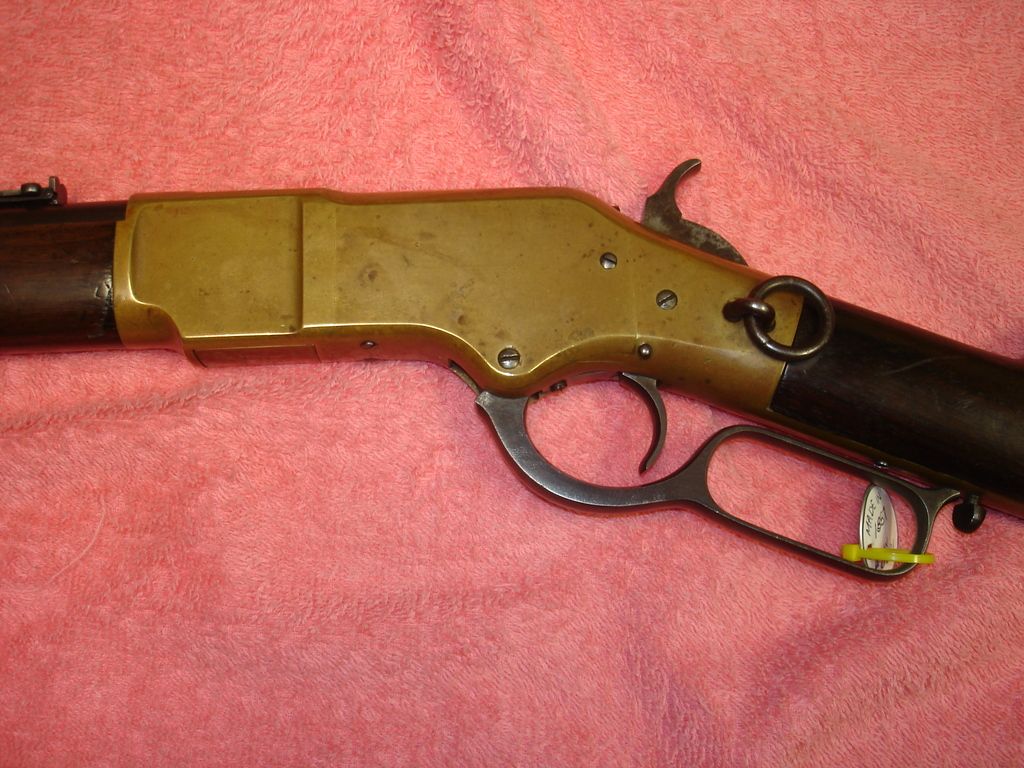
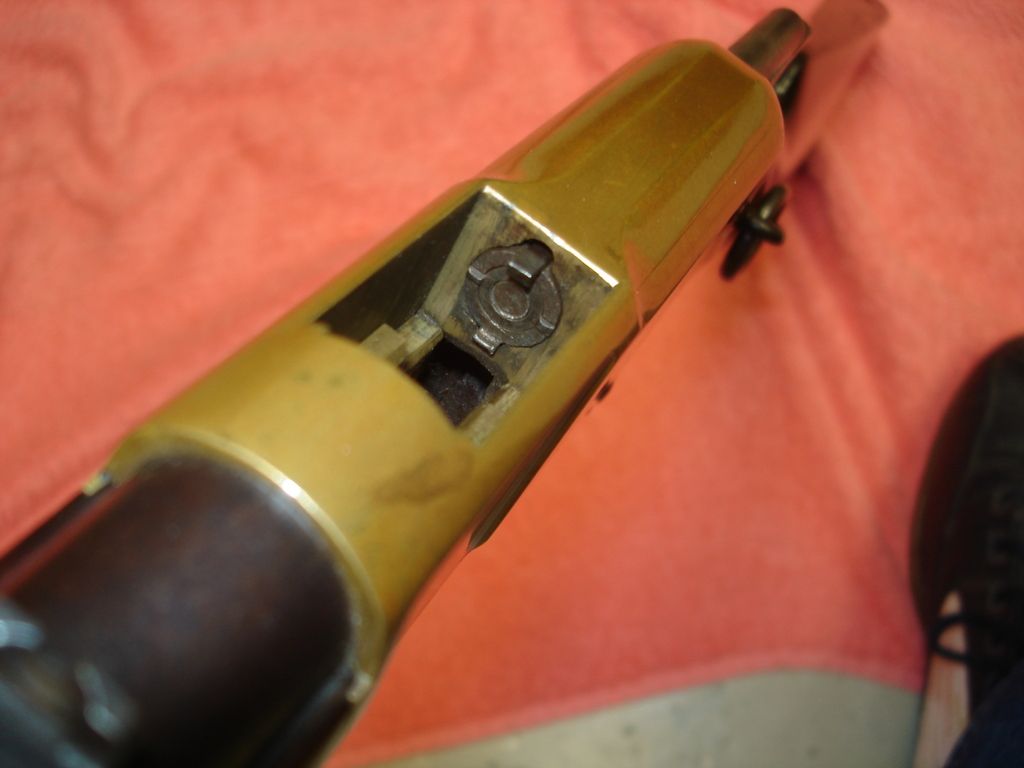
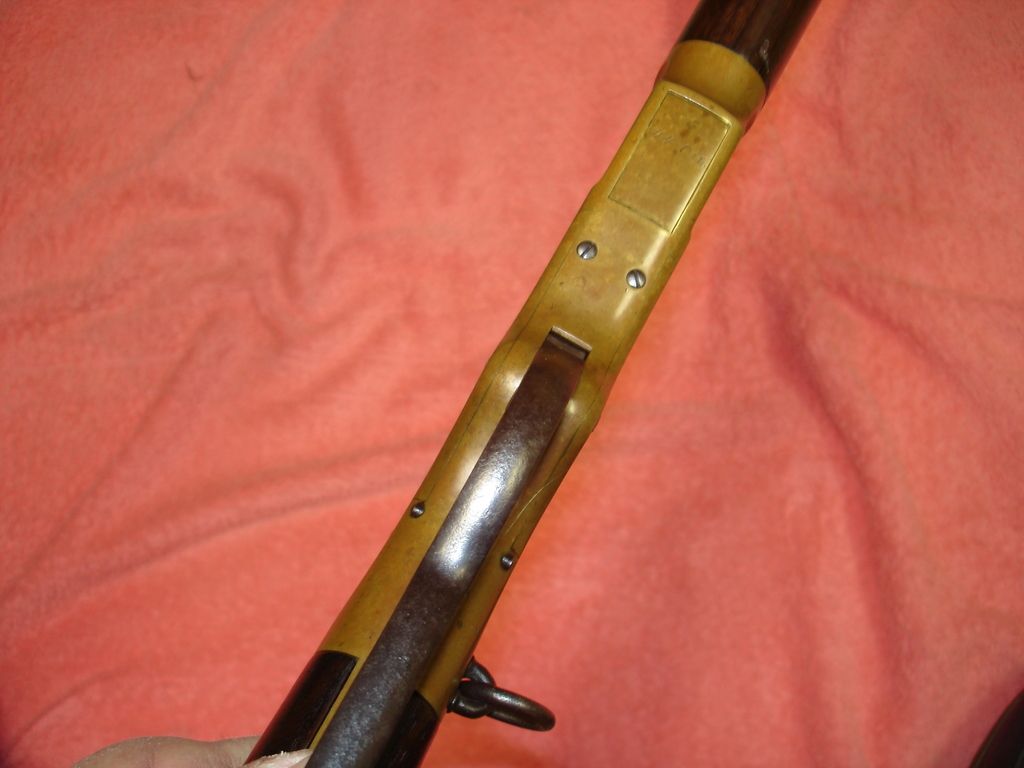
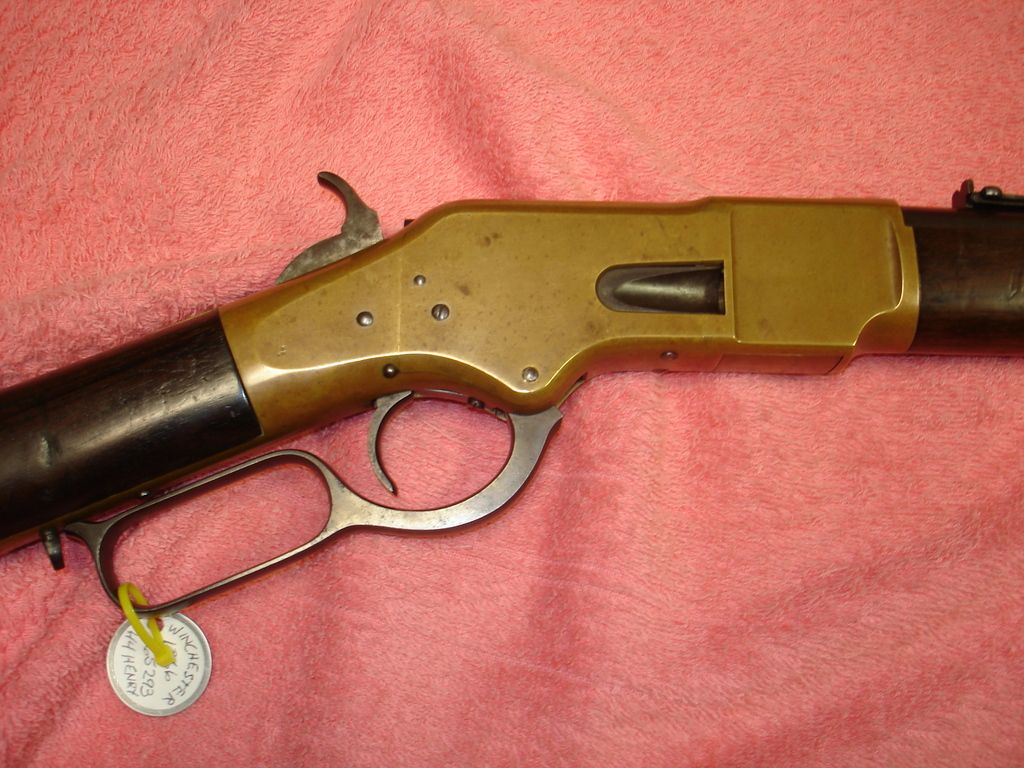
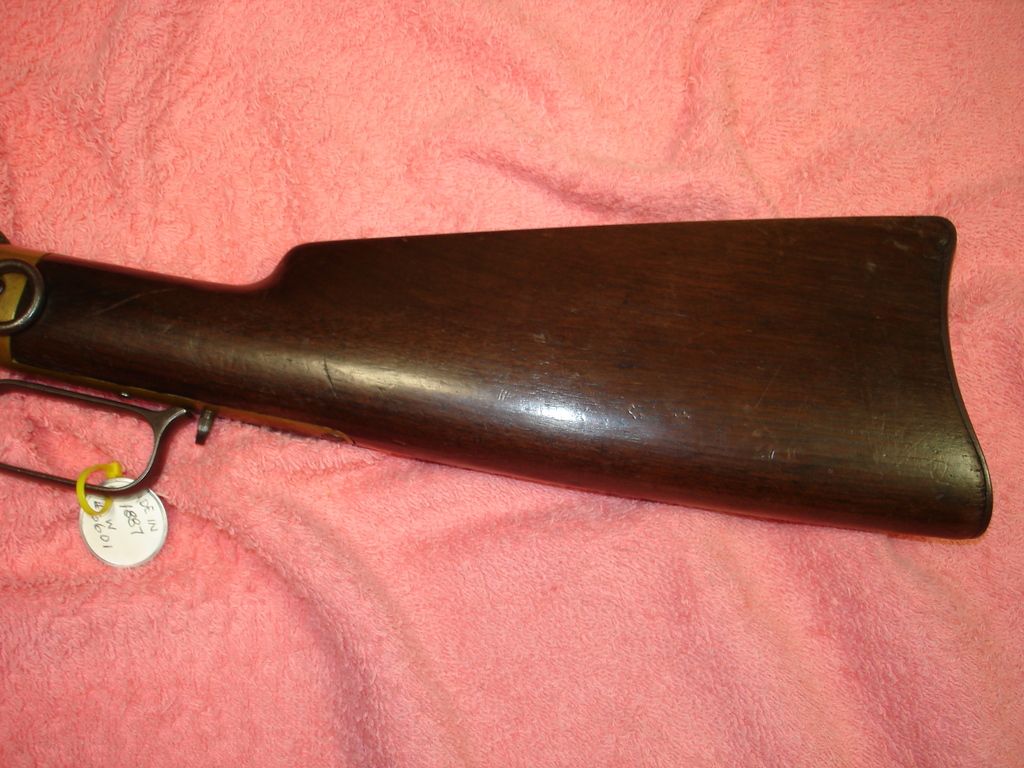
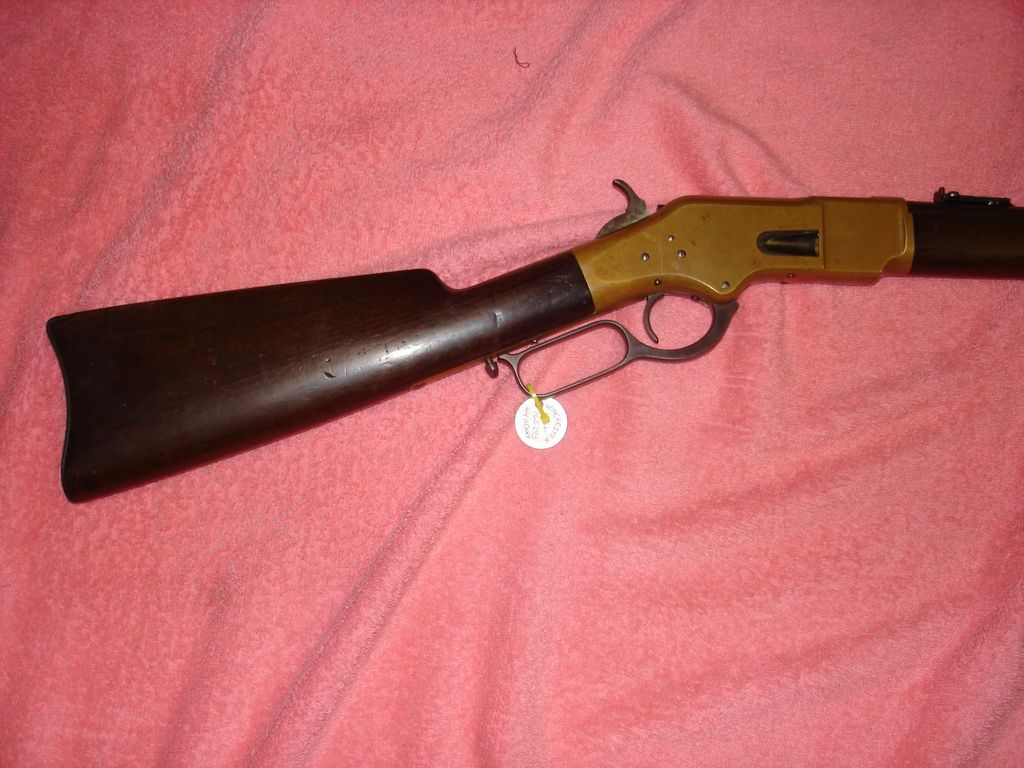
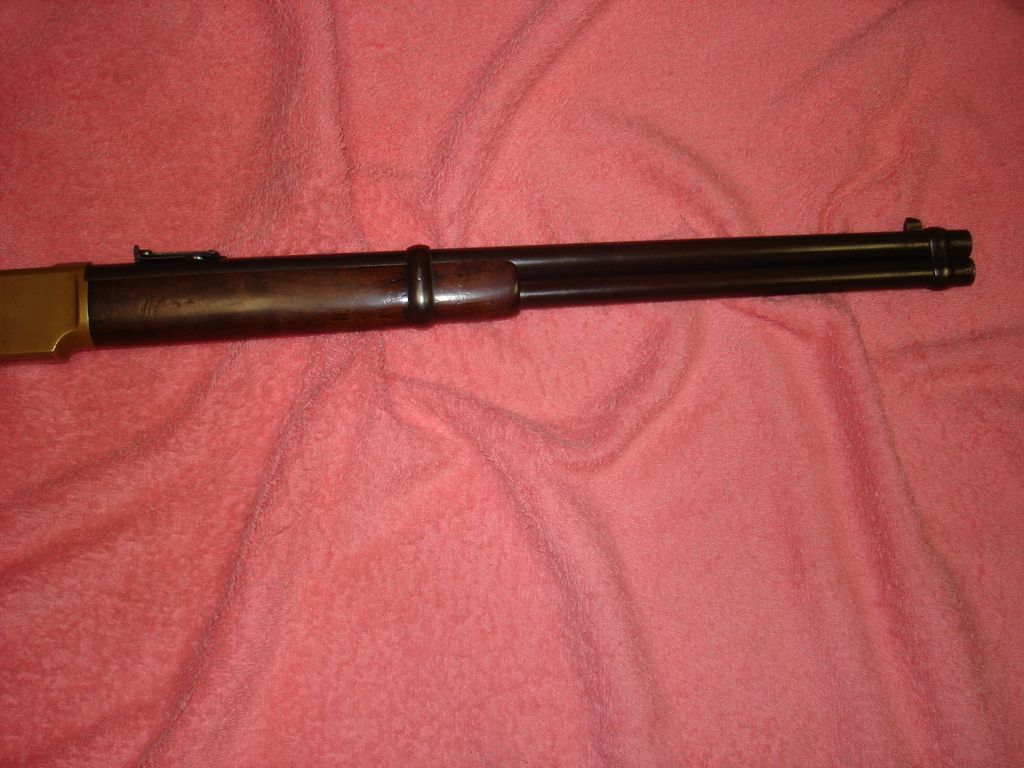

 If you try Googling " Winchester 1866 parts schematic" all the ones that come up shows a single firing pin in the center. It's actually a 2 piece affair, one is the "firing pin extension" that cocks the hammer and the other is the actual firing pin. I think they're held together with a cross pin.